Back

Innovation on the Lakeshore

Entrepreneur creates first-of-its-kind accessory for deaf, hard-of-hearing gamers

This Q&A is part of a series that spotlights SURGE program entrepreneurs and explores the development of their products. 


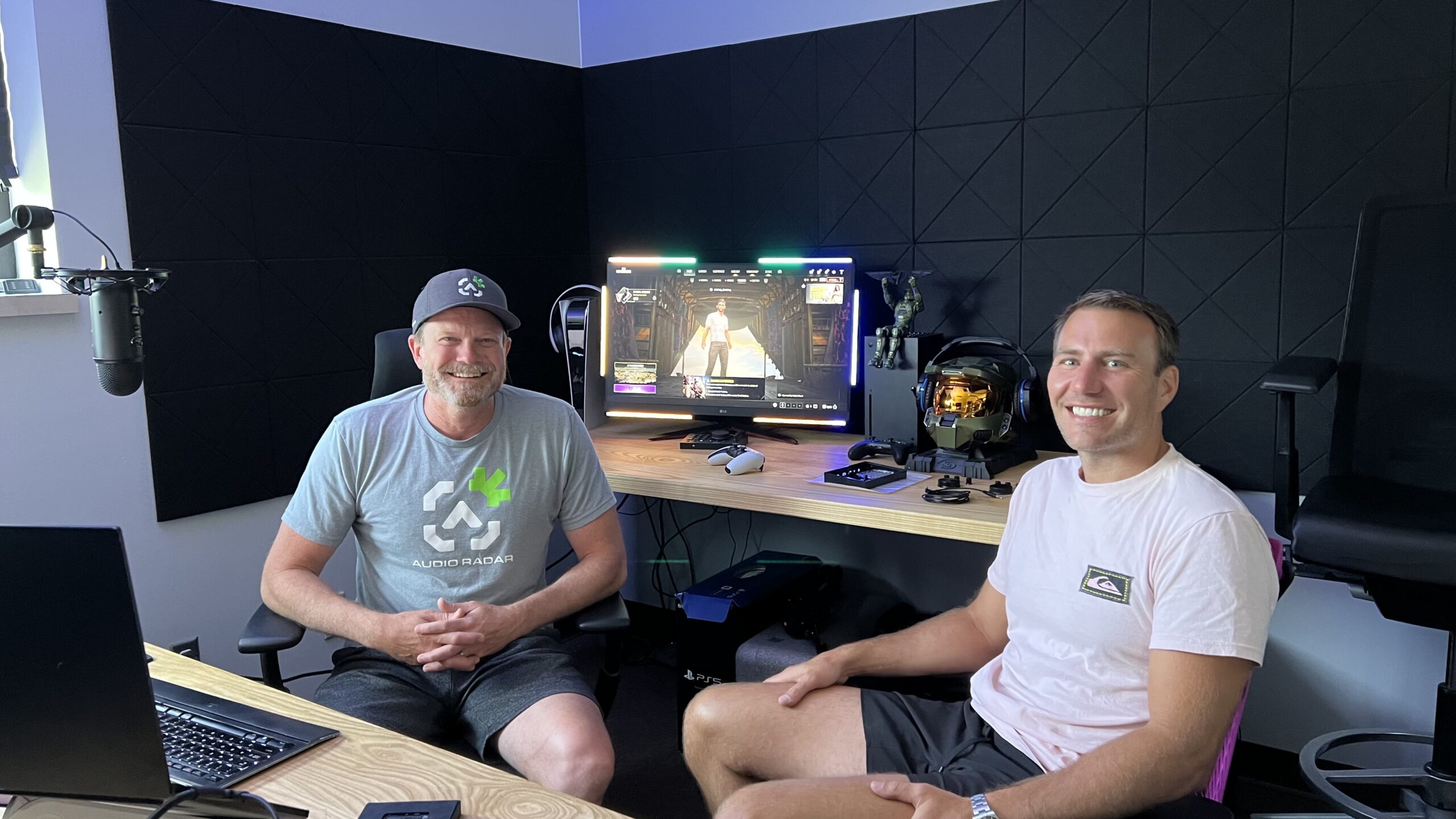
Tim Murphy is a two-time video-gaming accessories entrepreneur based out of Holland, Michigan, who over the years has leaned on Lakeshore Advantage’s entrepreneurial support program, SURGE, to help his ideas take shape.


I first met Tim at the SURGE Center in downtown Holland as he polished his pitch with fellow entrepreneurs. For me, coming from several years working at a nonprofit focused on — and cheering for — people with disabilities, his pitch caught my attention.


I recently sat down with him to get the skinny on his journey bringing his second product to market; what life is like as an entrepreneur; and to hear the advice he’d give others thinking of bringing an idea of their own to life. This conversation has been condensed and edited.


What are you currently working on bringing to market? 

It’s called Audio Radar and it enables deaf and hard-of-hearing gamers to see the sound in video games. It’s a first-of-its-kind product, so it’s really exciting not to be launching just another gaming headset or controller. It’s unique, and it adds value — big value to deaf and hard-of-hearing gamers.


It also enables gamers who wear a standard gaming headset — 99% of gamers — to enhance their gaming experience. As soon as you put a headset on, you’re listening to stereo sound, not surround sound. The problem there is that game programs are so sophisticated now, designed for 7.1 surround sound, that if I put on the stereo headset I’m only hearing 2.1 stereo sound. I’m not getting the full depth of the experience.


Audio Radar was invented to improve the gaming experience for gamers who are hearing impaired.


For example, if I am playing “Call of Duty” or “Fortnite” on a surround-sound system and I hear footsteps slightly to the left behind me; if I turn in that direction, it’s 100% accurate. But you only hear those directional cues if you have a really nice surround-sound system. The benefit for a big population of gamers with stereo headsets is that Audio Radar visualizes that 7.1 surround sound that’s really critical for gameplay, and now gamers can experience it even when wearing a headset. It visualizes directional, in-game sound cues like footsteps, gunshots, explosions, airplanes, and vehicles. That’s the whole premise behind Audio Radar.


For deaf gamers, this is the first time they’re experiencing gameplay on that level. Like, “Hey, there’s an airplane flying overhead” — if you’re a full-hearing gamer, you hear it, you look up and you can see the airplane that’s dropping a bunch of money or ammo that you need. If you can’t hear that, you’re blind to the cues. Audio Radar gives you that visualization.


So it’s first and foremost for deaf and hard-of-hearing gamers and for really competitive gamers who are full hearing.


What’s the origin story behind Audio Radar:

I was a radar technician in the Navy for six years prior to being an industrial product designer for corporations like Gentex and Whirlpool. So with those experiences, combined with owning a gaming accessory company and being a gamer myself, I noticed that the games were missing an element of depth. The fact that the games were designed for 7.1 surround sound and I’m only experiencing it in 2.1, I thought: “How can we make this better? Oh, let’s try and visualize it.” No one was doing it at the time. It was unique, and deaf and hard-of-hearing gamers could really experience something brand new.


It’s been an idea since 2016. It was too expensive then, so we tabled it. In 2019, we brought the idea back out of storage and built some mock-ups because the technology was catching up to the idea. We held a focus group in downtown Holland with 10 gamers. We had eight deaf or hard-of-hearing gamers and two full-hearing gamers. We had each of them demo an Audio Radar prototype by themselves, fill out a questionnaire, and then we brought them together for a focus group. I had been part of running a lot of focus groups for product and brand development. When I experienced this focus group, and the comments and reactions we received, I was super excited. It was a fantastic focus group, and we decided that we had to move forward.


One of the deaf gamers started tearing up and said, “Tim, I didn’t even know my own footsteps made this much noise in the game.” So, it was cool that these gamers could experience something brand new. That was a big turning point, just that one piece of feedback.


Then, I presented to the tech center here in Holland; they have a program for young game developers to get a game development degree. I presented Audio Radar, and one of the students emailed me after and she said, “Tim, I am a big-time gamer, and I’m losing my hearing. I’ll probably be deaf in three years and this product is amazing. I cried.” That was another reinforcement that this is a great product to work on. It felt like this is a product that is going to change lives. It feels kind of big.


There are around 3 million deaf and hard-of-hearing gamers in the United States and many more globally.


How did you get into gaming?

Earlier on, when I first got out of the military and started my first corporate job, I’d get online and play against old military friends around the U.S. It was a way for us to get together and hang out. We’d put on our headsets and game until the morning. We were talking smack and having fun; for me, the social aspect of gaming was really cool. For other gamers, it’s about the gameplay.


What attracted you to SURGE?

The meetups are great. Every meetup I’ve gone to I’ve left with a new bit of knowledge that I’ve followed up on. For example, one of the other SURGE members is a Facebook ads expert. I have invested significantly in Facebook ads since 2012. I’ve used a lot of different firms and individuals, and it all came back to needing to do it myself and being my own expert. When you run into locals you can talk shop with and compare notes with, that’s invaluable. Just meeting someone who knows their stuff and is passionate about what they’re doing has been big.


The biggest benefit of being a SURGE member, for me, has been Amanda Chocko, Director of SURGE Partnerships. Every time I’ve had coffee with Amanda, she’s made a connection with someone that has dramatically moved Audio Radar forward. I was telling her I needed some software development help. She made the connection to this group, SpinDance in Holland, and they helped with some of our firmware development.


Not only did she help me get the technical help to accelerate Audio Radar, but it was also through a second meeting with Amanda where she said, “You have to talk to this investor.” I had been trying to raise money for this product for a number of years, so it was a huge help. If I had not had that cup of coffee with Amanda through SURGE, we probably wouldn’t be where we are with Audio Radar — the project would probably be stalled.


It has taken a lot of networking, and making connections (and luck)!


What advice would you give to someone who is considering entrepreneurship?

If you don’t have experience in corporate, go out and work for other people. If you’re just out of college and you want to sell gaming accessories, go out and work for Best Buy, and when you do, look at that job from a different lens. Look at it from the perspective of, “What are these vendors doing?” “How are they interacting with Best Buy?” “How do their products look on the shelf?” “What products are moving faster than others?” Just look from a different view. You may be a stock person, or just working evenings, but if you go into it with curiosity, that experience is highly valuable.


Maybe 20 years ago, people would go to a corporation with the goal of working there for 20–30 years and then retire and that was the focus. Instead, go there and think: “OK, I’m going to poke my head into the marketing team, I’m going to look into engineering, and sales, and quality manufacturing, or logistics and supply chain from a different lens.” If you go to a company like Gentex, they are going to love someone who is so interested in all the different aspects of the company. As an entrepreneur, you’re going to need to know how to do a lot of that stuff on your own because it’s likely you won’t be funded to the point that you can hire everything out.


Where does Audio Radar stand and what’s next?

There is a relationship with Logitech — they’re supporting Audio Radar as our first customer. Logitech will be launching Audio Radar on their website when we launch. My partner, Andrew, and I flew out to California and presented it to Logitech last month. We’ve also presented it to Microsoft, who said, “We have nothing like this — your product is totally unique.”


We will be doing a soft launch in August when we’re shipping the product, and then full production in September or October.


THURSDAY, AUGUST 10, 2023
Back

News

21 New Jobs Coming to West Michigan

21 New Jobs Coming to West Michigan After Fabric Building Covers Establishes New Operations in State

Company chooses West Michigan over competing sites in the Midwest, Canada, underscoring state’s leadership in advanced manufacturing


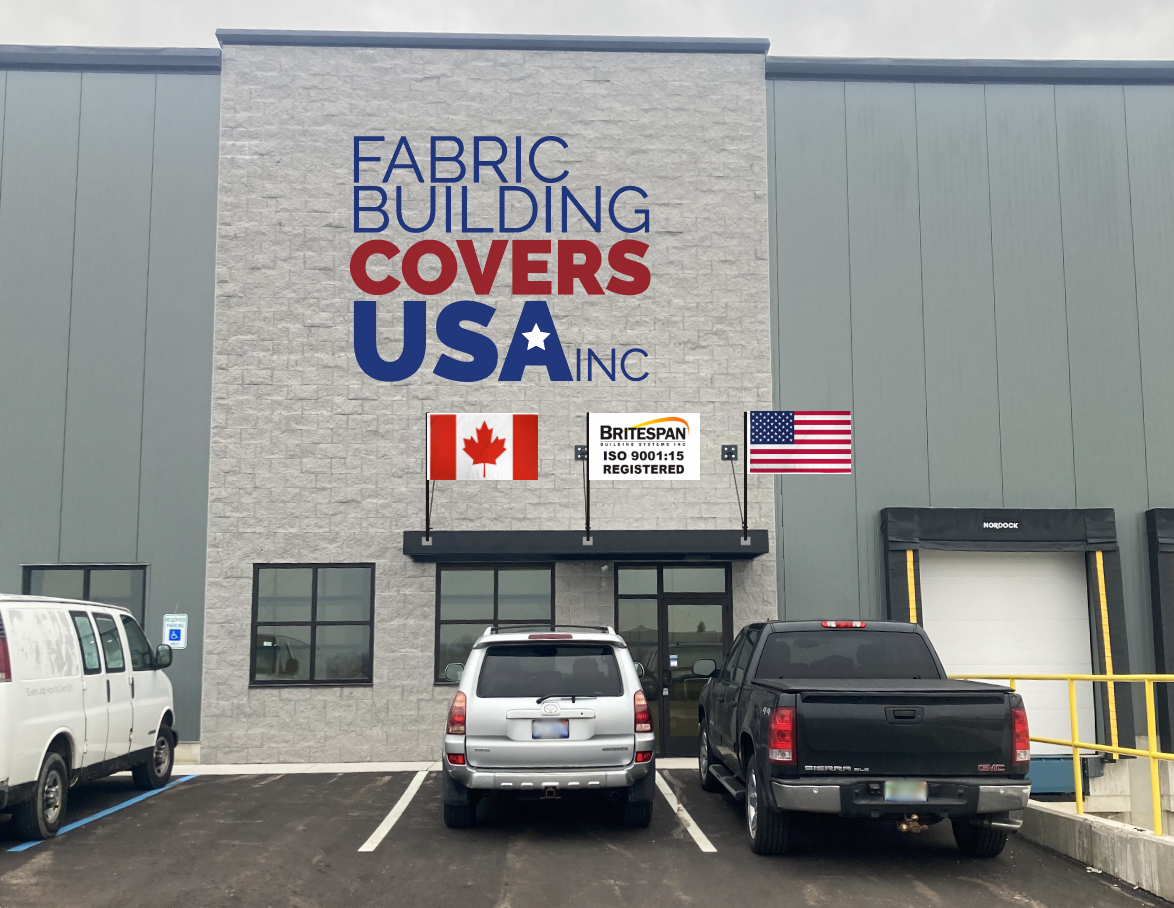
LANSING, Mich. (June 24, 2025)—Today, Governor Gretchen Whitmer and the Michigan Economic Development Corporation (MEDC) announced that Fabric Building Covers, a Canada-based manufacturer of fabric building covers and metal buildings, is expanding in Hudsonville with support from the Michigan Strategic Fund. The project is expected to generate a total capital investment of $1.5 million and create 21 jobs in advanced manufacturing.


“Fabric Building Covers USA is driving $1.5 million of investment and creating 21 good jobs in West Michigan, underscoring our leadership in advanced manufacturing and future mobility and builds on our economic momentum,” said Governor Whitmer. “Michigan was chosen for this expansion because of our talented workforce and strength in advanced manufacturing. We’re pleased to welcome Fabric Building Covers to Michigan, and look forward to working with the company as it continues to grow here and add jobs for Michiganders. Together, we can continue to send a clear message that everyone is welcome to make it in Michigan.”


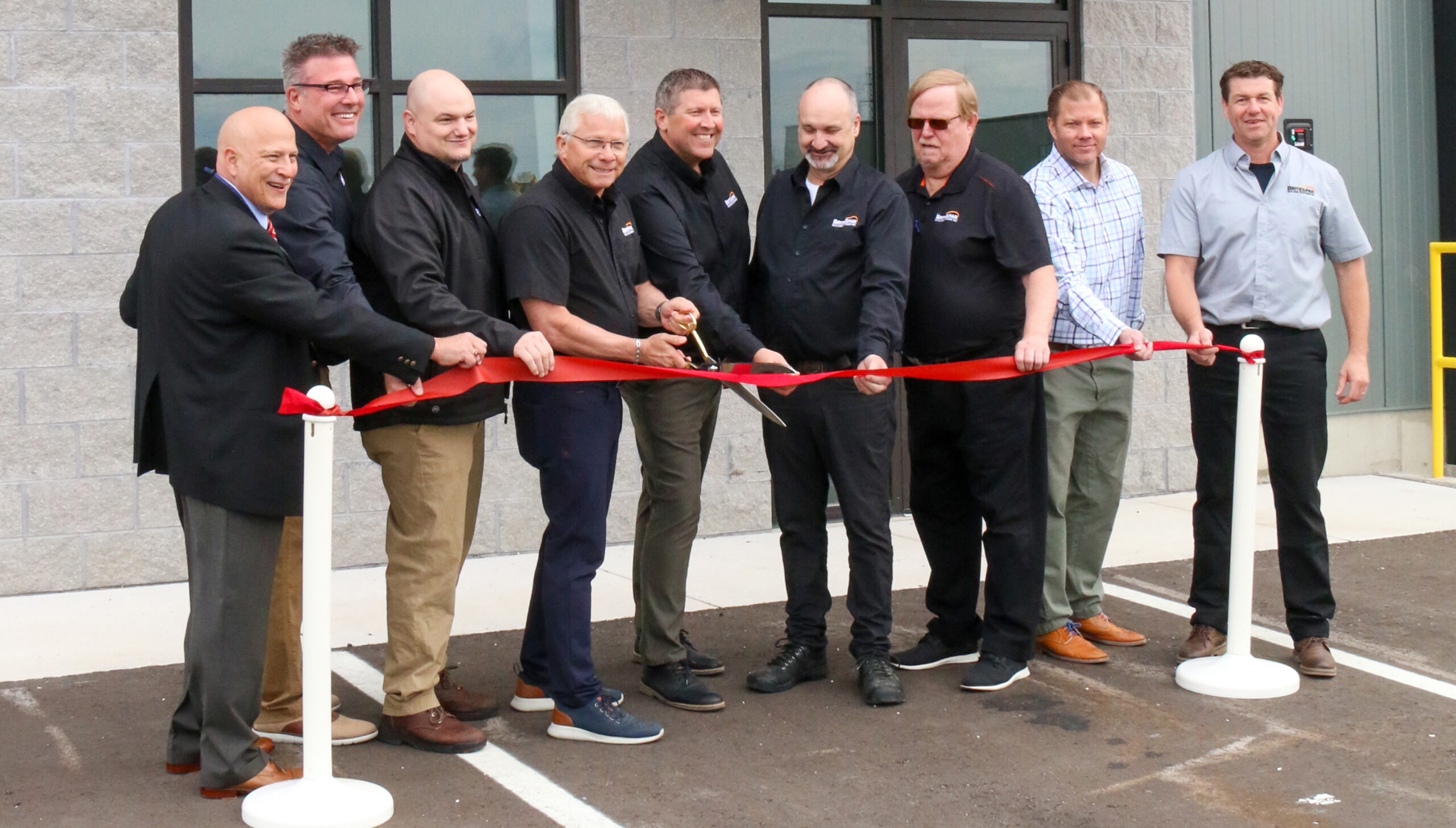
Fabric Building Covers USA Inc. is a subsidiary of Britespan Building Systems, a Canadian producer of fabric covers and manufactured metal buildings. The company manufactures steel buildings and fabric building covers and accessories. It does not currently have a presence in Michigan.


The company is at capacity for fabric production at its Canadian location and plans to lease a facility in the city of Hudsonville, where it will make renovations and add machinery and equipment. The project aligns with the company’s long-term strategy to secure future business and will likely lead to additional expansion to increase metal building production.


The project is expected to generate a total capital investment of $1.5 million and create 21 jobs with the support of a $117,600 Micro Michigan Business Development Program performance-based grant. Michigan was chosen for the project over other states in the Midwest and Canada because of the company’s strong, well-developed customer base it already has established here.

“We are very pleased we are in a position to expand our presence in Michigan and contribute to the local economy,” said John MacDonald, president. “Our new facility will allow us to create more jobs and support the growth of the manufacturing sector in the state, expediting our production timelines in the USA.  We would like to thank the Michigan Economic Development Corporation and their local partners for their support in this exciting initiative.”


The project will bring good-paying manufacturing jobs to the rural community of Hudsonville and could lead to future investment by the company in the state.  Individuals interested in careers with Fabric Building Covers should visit https://britespanbuildings.com/careers/.


“The decision by Fabric Building Covers to establish new operations in Michigan underscores our state’s leadership in advanced manufacturing as well as the strength of our business climate and talented workforce,” said MEDC Sr. Vice President of Regional Prosperity Matt McCauley. “This project is a win for West Michigan and for the entire state. We are grateful to Governor Whitmer, legislators from both parties, and local officials for their continued support for our programs that help make announcements like today’s possible. We appreciate the work of our local partners in supporting our efforts to create high-skill jobs for our residents, and will continue working to win projects, invest in places and support our people as we encourage businesses of all sizes to make it in Michigan.”


The Fabric Building Covers project was supported through the Micro MBDP tool, adopted by the Michigan Strategic Fund in 2019. The Micro MBDP is designed to promote business growth especially in rural areas or areas with high unemployment as well as target industries. The Micro MBDP provides grants, loans, or other economic assistance to businesses for highly-competitive projects in Michigan that have fewer job creation numbers than required by the original MBDP guidelines.


“We are thrilled that Fabric Building Covers USA chose West Michigan’s lakeshore region for their first U.S. manufacturing location,” said Jennifer Owens, president of Lakeshore Advantage. “Our region’s skilled workforce and manufacturing leadership directly impacted this international company’s decision to select our region. We proudly welcome Fabric Building Covers USA to our robust manufacturing community.”

Back

Investor Spotlight

Investor Spotlight

Michael Weis

Michael Weis is the President of Harbor Steel & Supply Corporation. Born and raised in a farming community in Western Iowa, Weis moved to Paris, KY for his high school years and later graduated from the University of Kentucky with a degree in Business Administration.


Weis is currently in his 23rd year in the steel industry. He strives to associate integrity, honesty, and community leadership when the name Harbor Steel is present. Navigating Covid in the first month of leading the company and opening a new facility in Bowling Green, KY have been highlights thus far. Mike loves spending time with his wife, Jennifer, and two children, Abigail and Ava. You can catch them cruising down the Grand Haven channel on their tritoon or riding their bikes to the Front Porch for ice cream in Spring Lake.


You’ve spent your career in the steel industry at a handful of companies in the south and midwest U.S. What brought you to Michigan and what do you enjoy most about living and working in West Michigan?


I joined Harbor Steel in 2010. After 10 years with the company, my mentor and predecessor, Steve Heneveld, announced his retirement as President. I was offered the position and jumped at the opportunity! My family and I knew how beautiful West Michigan was from several trips we had taken over the years. The superb quality of life that this part of the state offers is second to none. The schools, hospitals, and manufacturing base are all first class.


How did you get started in steel? And what about your work is most meaningful or fascinating to you?


When I graduated from the University of Kentucky in 2000, I was desperately looking for a career path. The girl I was dating suggested that I apply for an open position with the company that her dad worked at, a Canadian steel mill named Co-Steel. I ended up taking a job in sales with this company and that started my career. A bonus is that I have been married to that girl for 21 years! I love all of the people that I have met and formed relationships with in the industry over the years. It is also very satisfying to see the products that we help create. Whether it be a conveyor system for an Amazon distribution center or a livestock chute at the Houston rodeo, steel plays a part in everything that we touch or see.


Why is it a priority for Harbor Steel to invest in helping businesses grow in West Michigan?


I believe in the adage that “a rising tide lifts all boats”. We have locations from Holland up to Manistee in West Michigan. It is very important to us to help our customers and the communities that we are a part of to flourish. That could be from working with a customer to find a competitive advantage in their industry to supporting youth activities up and down the Lakeshore.


What projects or initiatives have you most excited right now?


Companywide, we are excited about a large defense project that every Harbor Steel location is pitching in on. Eventually the job will be shipped to Naval bases to help handle submarine modifications and repairs.


What have you learned throughout your career, and what advice would you give to emerging leaders and professionals about playing a positive role in the community?


Don’t be afraid to ask for help. Sometimes our pride gets in the way, but realize that no one expects you to be an expert at everything. When helping the community, it doesn’t have to be a big ordeal to make a huge impact: Volunteer to be an Assistant Coach for your child’s team or pick up trash on the riverbank. There are unlimited opportunities to make a difference!


Who are the people who have had a profound influence on you and your leadership style?


Coach John Calipari always talks about “servant leadership”. I am a BIG believer in this. I try to be there for all our employees at Harbor Steel and our key Managers are there with me. I think that if everyone knows you have their back when times get tough, they are personally invested in the day-to-day success of the business.


Talk to us about workplace culture. What are some values that you and your team live by? 


Harbor Steel is a family-owned business. Our culture is very strong of open dialogue and forgiveness. We all care about each other, and our families, and we see that in our everyday interactions.


What is a book that you’ve read or an influencer that you’ve listened to recently that has made you a better leader?


I like history. I recently read April 1865: The Month That Saved America by Jay Winik. The perseverance and fortitude displayed by numerous leaders is unimaginable. It showed me how important it is to be flexible in any situation and to never give up!


Back

Investor Spotlight

Investor Spotlight

Nora Balgoyen

Nora Balgoyen is an Area Manager with Local Government and Community Affairs at ITC Holdings, the nation’s largest independent electric transmission company. At ITC, Nora develops and enhances relationships with community leaders, government officials and economic development professionals to promote understanding and generate support of the greater grid. Nora’s territory includes 26 counties on Michigan’s west side where she provides education about electric infrastructure projects and community development initiatives. Nora leads economic development projects and company growth initiatives at the company.


Prior to joining ITC, Nora served as the Director of Economic Development for Allegan County, a growing county with deep agriculture roots and a strong manufacturing presence. She provided her expertise to create and build a successful public-private partnership model that continues to serve the county. For over 15 years, Nora administered federal workforce development programs including oversight of operations for the Michigan Works office in Allegan County. She attributes her success to the network of relationships she has built at the local, regional, and state levels and her Business Solutions Professional (BSP) certification through the State of Michigan. Nora is a member of the Allegan County Economic Development Commission, representing Utility. In addition, she has been appointed to the West Michigan Regional Planning Commission’s Community Economic Development Strategies Committee for the past ten years. Nora is also certified through the National Development Council in Economic Development Finance and is a certified Michigan Citizen Planner through MSU Extension.


What led you down your professional path and what about your work is most meaningful or fascinating to you?

After graduating from Michigan State University, I landed in a local position within workforce development when Michigan Works! programming was just ramping up in the state. I moved up quickly into a management position overseeing multiple programs and teams. This morphed into a full-time economic development role which spring-boarded my network across the region and the state. ITC took notice of my skillset as a connector and recruited me to a regional community affairs role. Being motivated to grow community has made all the difference in my success and for the lives I have touched.


What about your work has you most excited right now?

Investment in infrastructure plays such a vital role in the health and prosperity of community. It excites me to play an important educational role as we work towards a greener energy landscape.


What have you learned through your work and what advice would you give to other professionals about playing a positive role in the community?

The power of connection cannot be overstated. I firmly believe my success comes from building relationships, asking for help, and learning from others. I highly encourage others to engage in professional activities, volunteer, sit on boards, take on leadership opportunities, etc. These types of engagements honed my communication skills, especially when speaking to an audience. Also, find your cheerleaders and take time to pay it back to others, mentoring and being a mentor can be life-changing.


Talk to us about workplace culture. What are some values that you and your team live by?

“Being Better Together” is an ITC company value that we live every day. Supporting each other and leaning in where needed is the backbone of project-management based work with multiple teams working together to get a plan over the finish line.


Why is economic development a priority for you?

Watching and learning from my fellow economic developers, I witness the rewards of proactive economic investment in our communities, from large transformational projects to small, yet meaningful ones. Over time, the economic health of Michigan and the nation are dependent on collaboration at all levels and across sectors, including utility. It’s a marathon and not a sprint!

Skip to content